Hour 0-6: Confusion
Most people assume a short outage. Information is unclear, mobility decisions are delayed, and preparation gaps are hidden.
Reviewed by Henry Morris · Lead Preparedness Researcher
Last updated: May 30, 2026
This timeline is not about panic. It is a practical planning tool that helps families prioritize what matters first as disruptions extend from hours into weeks.
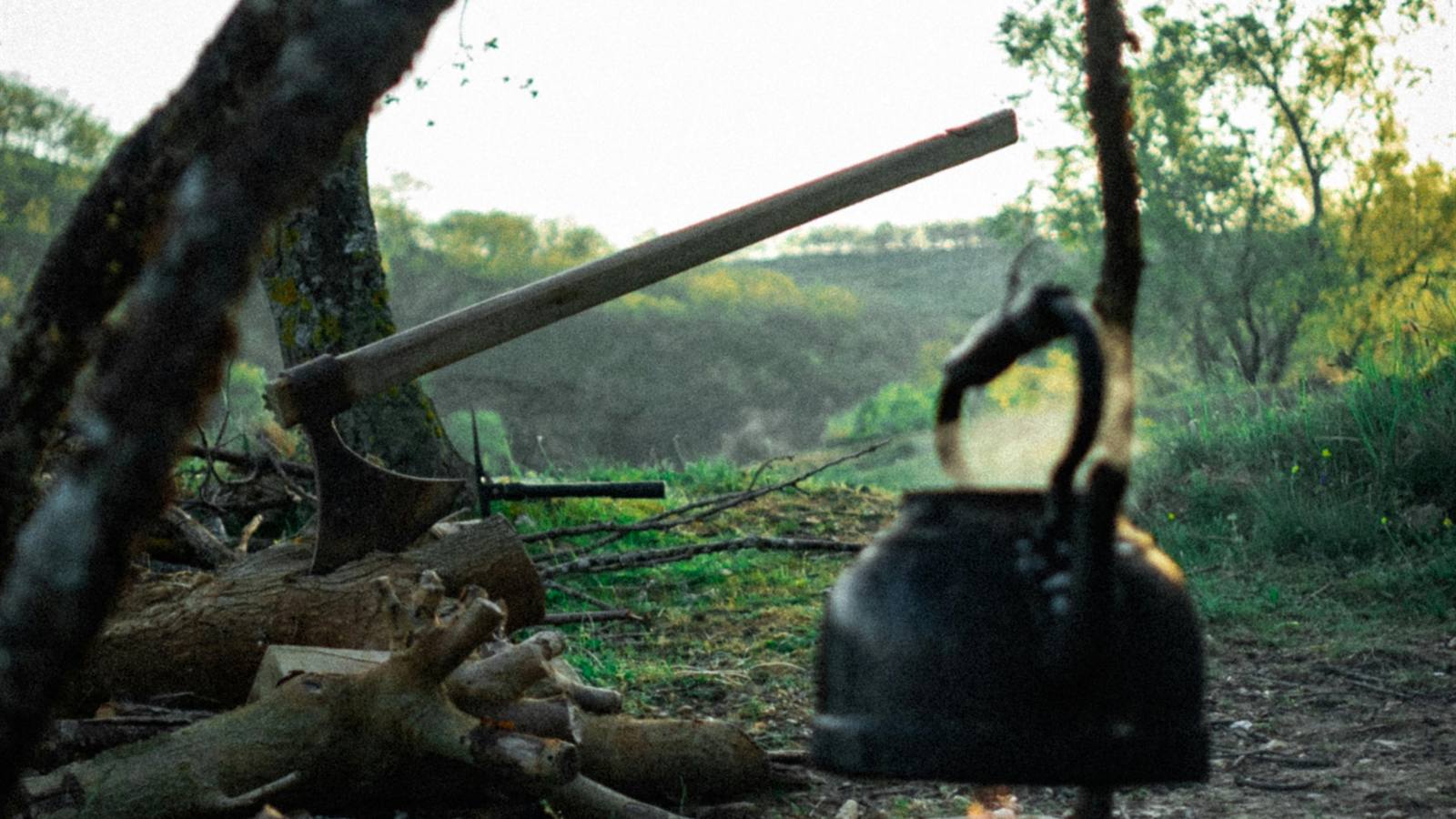
Most people assume a short outage. Information is unclear, mobility decisions are delayed, and preparation gaps are hidden.
Supply runs accelerate, fuel access declines, and communications begin to degrade as systems strain.
Store shelves thin, payment systems fail, water and sanitation problems emerge, and household routines are stressed.
Unprepared areas face sharper instability while prepared households shift into disciplined rationing and coordination.
Communities stabilize through local leadership, or decline through unmanaged scarcity and conflict.
Outcomes depend on prior planning: water continuity, food systems, medical routines, communication, and social trust.
Use this sequence to identify your weakest phase, then choose a preparation framework you can execute consistently.
Henry Morris is the Lead Preparedness Researcher at Wilderness Survival Skills.
10+ years reviewing household preparedness systems and low-tech resilience frameworks.
This site uses affiliate links. If you buy through a link, we may earn a commission at no extra cost to you.
Back to top