Is preparedness only for extreme scenarios?
No. Preparedness improves resilience for common disruptions like storms, outages, and supply interruptions, while also covering larger grid-down risks.
Practical answers to the questions most families ask about survival readiness, off-grid planning, blackout resilience, and choosing the right guide.
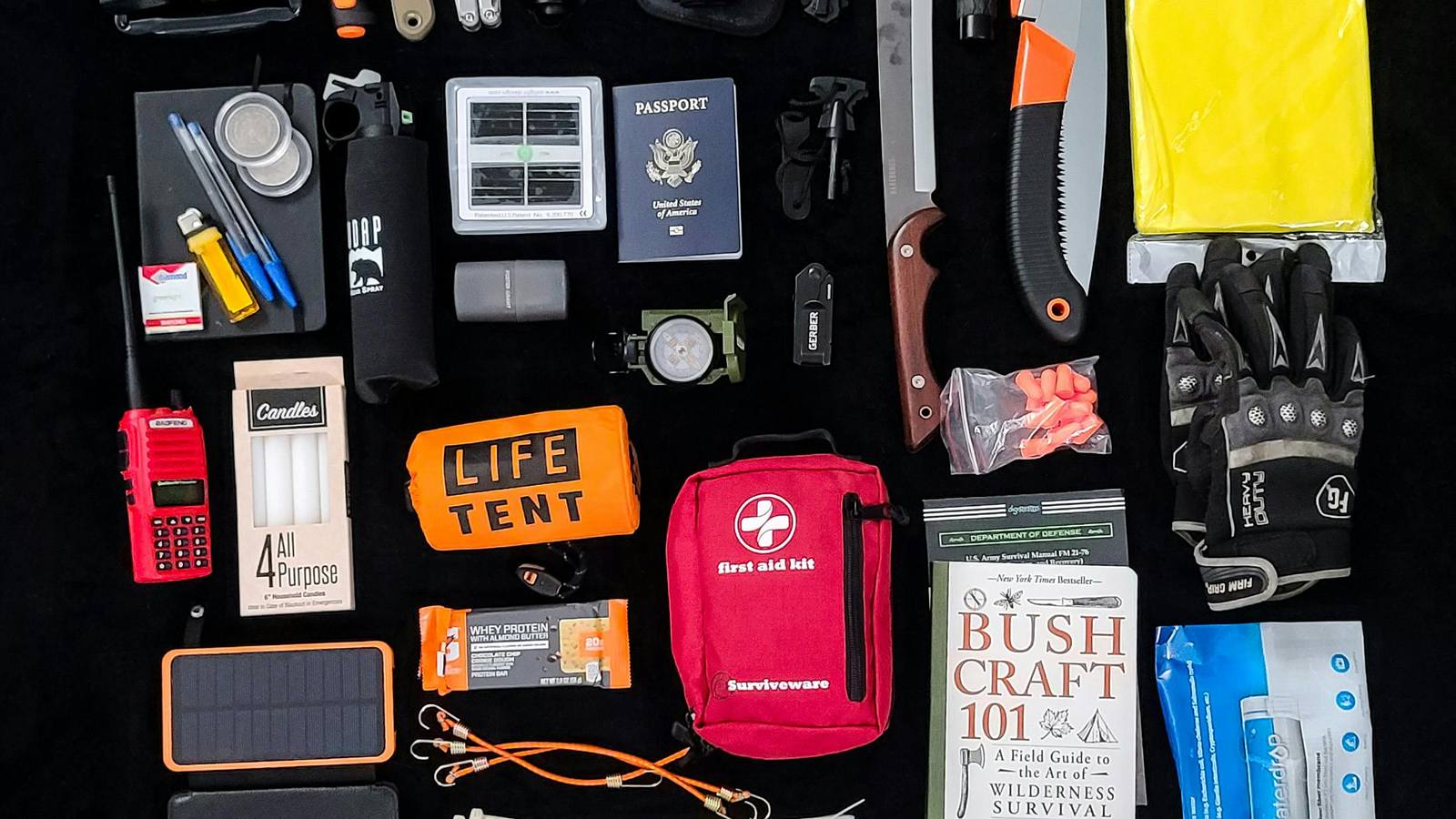
No. Preparedness improves resilience for common disruptions like storms, outages, and supply interruptions, while also covering larger grid-down risks.
Start with water, food, sanitation, medical basics, and a simple household communication plan. Build complexity only after those essentials are stable.
No. Most families can start with low-cost, low-tech steps and upgrade over time as priorities become clear.
Yes. It is positioned as a practical, structured framework with low-tech emphasis, which is useful for beginners and busy households.
Free content is often fragmented. A strong guide gives sequence, priorities, and implementation structure so you can move from reading to action.
You still benefit. Preparedness reduces daily fragility, improves household routines, and lowers stress during ordinary emergencies.
Many households can establish a basic 72-hour to two-week readiness layer within a few weekends if they follow a clear plan.
Yes. Comparison helps you avoid overpaying for complexity and choose a framework that matches your context, budget, and implementation style.
Start with the side-by-side comparison, then choose the framework that best matches your household priorities.